When a project stalls, an idea flops, or goals go unmet, the word "failure" often carries too much weight to be dropped casually into conversation. Whether you're drafting a report, refining a resume, or discussing setbacks with peers, substituting this term with precise alternatives can shift tone, soften impact, or sharpen focus. Understanding other ways to say failure allows you to navigate these moments with intention. Let's explore effective replacements and the contexts where they shine.
Can Common Synonyms Capture Failure’s Essence?
We often reach for synonyms like setback, defeat, or shortcoming, but each carries distinct nuance. Setback implies a temporary obstacle, not an irreversible loss—like a delayed product launch versus abandoning the project entirely. Defeat is more absolute, suggesting a conclusive end to competition or effort, such as a team losing a championship. Shortcoming highlights a gap in performance or design without assigning blame, making it useful for constructive critiques. These terms work well in everyday communication, yet they may lack precision in professional or technical settings.
What Formal Terms Fit Business and Academic Discourse?
In academic, corporate, or policy contexts, subtler language often carries more authority. Underperformance signals metrics falling short of benchmarks, common in evaluations of employee reviews or research outcomes. Metric deviation is even more specific, pointing to quantifiable data drift rather than subjective judgment. Performance gap emphasizes a solvable difference between current and desired states, useful in strategic planning. These phrases acknowledge shortcomings without implying irrevocable loss, making them ideal for proposals or progress reports where solutions matter more than blame.
How Do Context and Audience Shape the Right Choice?
The settings where you use these terms dictate their value. In personal reflection, misstep or learning moment reframes errors as steps toward growth—a vital mindset for entrepreneurs or creatives. Meanwhile, operational lapse suits regulatory or safety reviews, where accountability is paramount. For public communication, shortfall or ex shortfall maintains neutrality, whether discussing budgetary issues or environmental targets. Matching your choice to the audience’s expectations ensures clarity and avoids unintended offense.
Which Phrases Turn Failure into Forward Motion?
Sometimes, avoiding the word "failure" entirely is strategic. Iterative refinement frames setbacks as steps in a process, commonly used in software development or design thinking. Strategic pivot shifts the narrative to agility, ideal for startups or project managers adapting to market changes. Feedback-driven adjustment emphasizes responsiveness, whether in education or organizational culture. These phrases don’t deny challenges—they reframe them as intentional, growth-oriented actions that steer toward future success.
How Can You Test Word Choice Before Applying It?
Before settling on a replacement, ask: Does this term clarify or obscure? Does it invite collaboration or assign fault? For example, "results didn’t meet projections" is clearer than "massive failure" in an earnings report, yet less precise than "cost overrun exceeded 15%." Practice applying these terms in context—draft a performance review, a grant proposal, or a team retrospective—and note which resonate most naturally. Over time, you’ll build a toolkit tailored to your voice and goals.
When a project stalls, an idea flops, or goals go unmet, the word "failure" often carries too much weight to be dropped casually into conversation. Whether you're drafting a report, refining a resume, or discussing setbacks with peers, substituting this term with precise alternatives can shift tone, soften impact, or sharpen focus. Understanding other ways to say failure allows you to navigate these moments with intention. Let's explore effective replacements and the contexts where they shine.
Can Common Synonyms Capture Failure’s Essence?
We often reach for synonyms like setback, defeat, or shortcoming, but each carries distinct nuance. Setback implies a temporary obstacle, not an irreversible loss—like a delayed product launch versus abandoning the project entirely. Defeat is more absolute, suggesting a conclusive end to competition or effort, such as a team losing a championship. Shortcoming highlights a gap in performance or design without assigning blame, making it useful for constructive critiques. These terms work well in everyday communication, yet they may lack precision in professional or technical settings.
What Formal Terms Fit Business and Academic Discourse?
In academic, corporate, or policy contexts, subtler language often carries more authority. Underperformance signals metrics falling short of benchmarks, common in evaluations of employee reviews or research outcomes. Metric deviation is even more specific, pointing to quantifiable data drift rather than subjective judgment. Performance gap emphasizes a solvable difference between current and desired states, useful in strategic planning. These phrases acknowledge shortcomings without implying irrevocable loss, making them ideal for proposals or progress reports where solutions matter more than blame.
How Do Context and Audience Shape the Right Choice?
The settings where you use these terms dictate their value. In personal reflection, misstep or learning moment reframes errors as steps toward growth—a vital mindset for entrepreneurs or creatives. Meanwhile, operational lapse suits regulatory or safety reviews, where accountability is paramount. For public communication, shortfall or ex shortfall maintains neutrality, whether discussing budgetary issues or environmental targets. Matching your choice to the audience’s expectations ensures clarity and avoids unintended offense.
Which Phrases Turn Failure into Forward Motion?
Sometimes, avoiding the word "failure" entirely is strategic. Iterative refinement frames setbacks as steps in a process, commonly used in software development or design thinking. Strategic pivot shifts the narrative to agility, ideal for startups or project managers adapting to market changes. Feedback-driven adjustment emphasizes responsiveness, whether in education or organizational culture. These phrases don’t deny challenges—they reframe them as intentional, growth-oriented actions that steer toward future success.
How Can You Test Word Choice Before Applying It?
Before settling on a replacement, ask: Does this term clarify or obscure? Does it invite collaboration or assign fault? For example, "results didn’t meet projections" is clearer than "massive failure" in an earnings report, yet less precise than "cost overrun exceeded 15%." Practice applying these terms in context—draft a performance review, a grant proposal, or a team retrospective—and note which resonate most naturally. Over time, you’ll build a toolkit tailored to your voice and goals.
Other People Streaming: Where To Watch Movie Online?

Other People streaming: where to watch movie online?
Eachother Or Each Other - Which Is Correct? (2026)

Eachother or Each Other - Which is Correct? (2026)
Each Other Or Eachother: Which Is Correct? With Examples(2026)
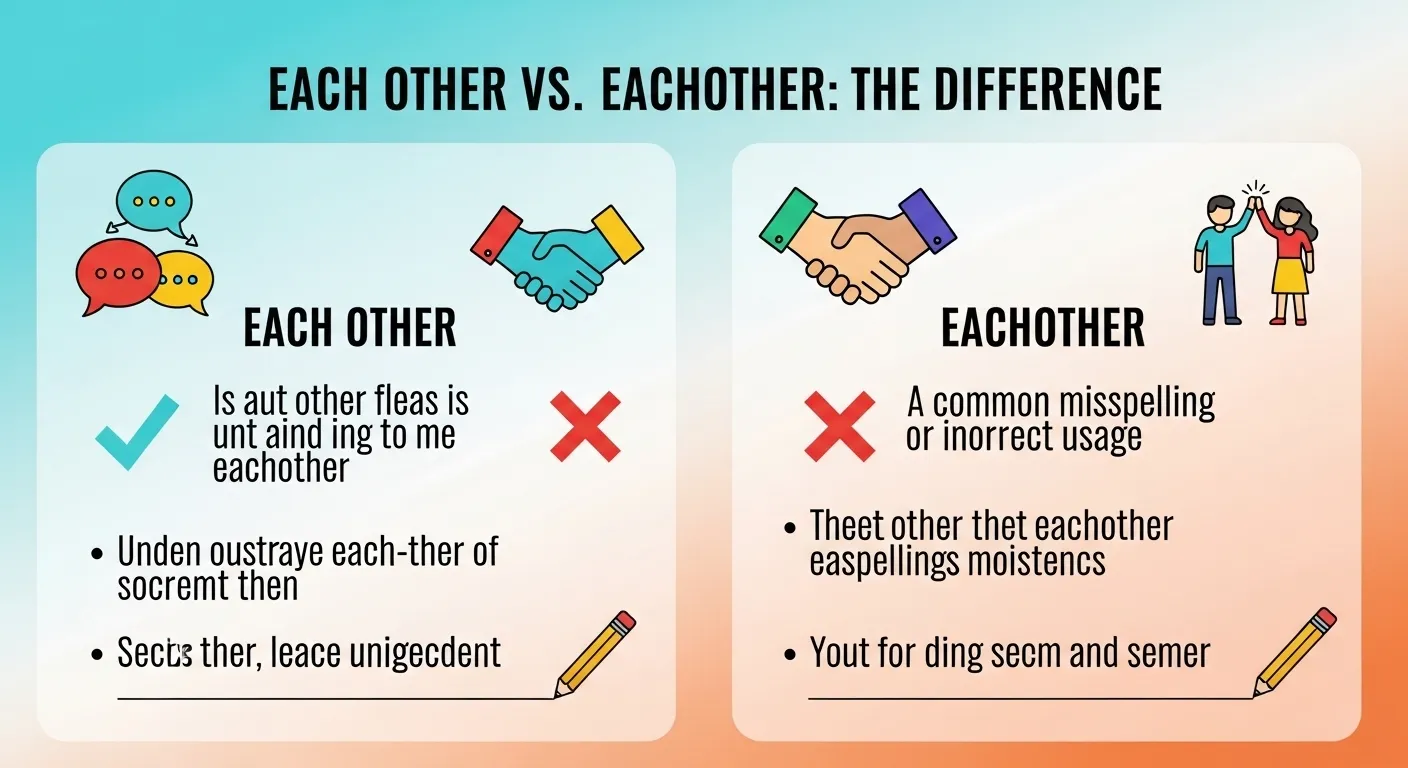
Each Other or Eachother: Which Is Correct? With Examples(2026)
Eachother Or Each Other: What Is The Correct Usage? 2026
Eachother or Each Other: What Is the Correct Usage? 2026
The Other Woman (2014) Full Movie Summary & Plot Explained

The Other Woman (2014) Full Movie Summary & Plot Explained